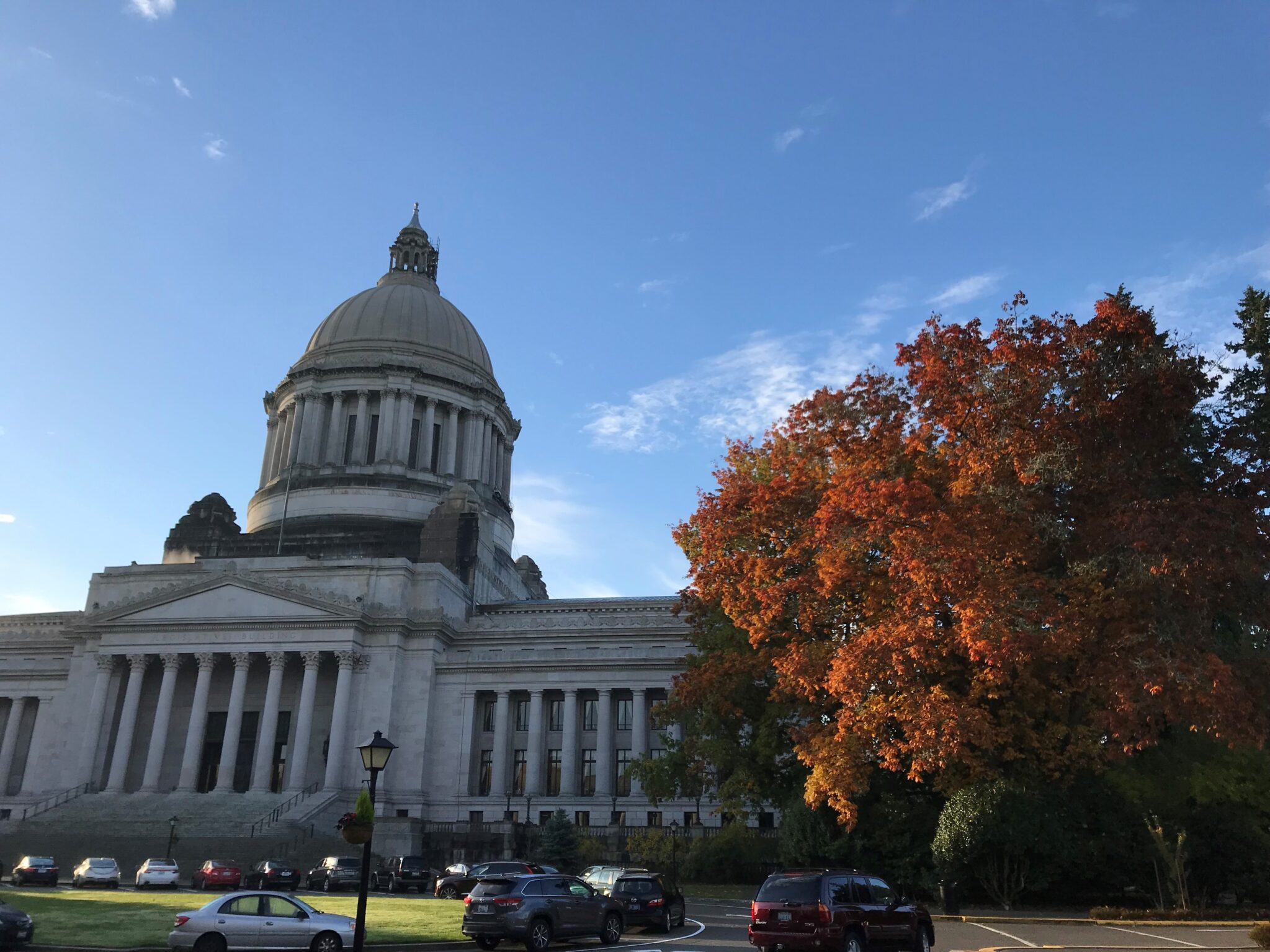
After a landmark 2025 session, Seattle Public Utilities (SPU) is preparing for a short, 60-day state legislative session where lawmakers are expected to struggle with declining revenues and negative budget impacts from the federal government. Beginning on January 12, 2026, the Legislature will convene to pass bills and a supplemental budget, which will make changes to the two-year operating, capital, and transportation budgets.
SPU’s legislative agenda outlines the priorities that our Government Relations staff will proactively advocate for. Throughout the legislative session, we will also respond to emerging legislation and budget proposals that affect SPU. Our priorities reflect our vision: Community-centered, one water, zero waste. These efforts aim to keep utility rates affordable while protecting clean water, building healthy communities, and creating a more sustainable future.
Amending Washington’s Plastic Bag Ban
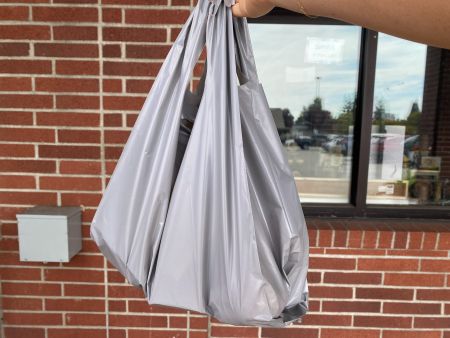
Seattle was among the first cities in Washington to ban plastic carryout bags more than a decade ago, significantly reducing plastic pollution and litter. But when the state adopted a similar law in 2020, preempting Seattle’s law, a loophole allowed retailers to offer thicker “reusable” plastic bags at checkout. Since then, these bags have become commonplace again, undermining progress on plastic reduction.
SPU supports closing this loophole, following the lead of California and Oregon, which have already strengthened their own bans. Our goal is to restore the original intent of the plastic bag policy and reduce plastic use. Read more on Washington and Seattle’s plastic bag bans: Why Plastic Bags Returned to Seattle’s Stores – At Your Service.
Defending and Improving MTCA – the Remedial Action Grant Program
The Model Toxics Control Act (MTCA) provides critical funding for cleaning up polluted sites in Seattle—including Gas Works Park, the Duwamish River, and areas in South Park. SPU relies on the state’s Remedial Action Grant (RAG) program to match local investments in these cleanups, helping to keep rates affordable for our customers.
In 2026, SPU is advocating to protect MTCA and the RAG program to ensure cleanup projects stay on track heading into the 2027–29 biennium.
Advancing Salmon Recovery
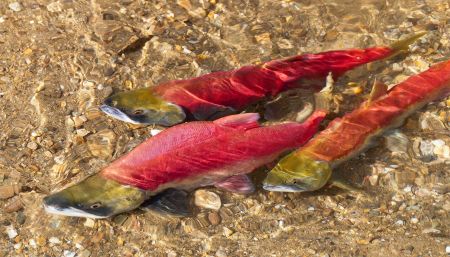
Healthy salmon runs are essential to Washington’s ecosystems, Tribal sovereignty, and regional culture. SPU manages stormwater infrastructure, watersheds, and a sockeye hatchery on the Cedar River—all vital to salmon health. With sockeye populations in decline since 2006, SPU supports funding for the Washington Department of Fish and Wildlife to reduce predation in the Lake Washington basin and help restore salmon populations. Our goal is to secure $800,000 for the Department of Fish and Wildlife to capture and remove fish that prey on sockeye and Chinook salmon in Lake Washington.
Extended Producer Responsibility (EPR)
Washington has successfully implemented EPR programs for products like paint, electronics, and pharmaceuticals—holding producers responsible for the end-of-life management of their products. SPU supports establishing this approach for three new product categories:
- Textiles: To reduce the growing volume of clothing and fabrics ending up in landfills.
- Mattresses: To cut down on costly illegal dumping and increase recycling of materials like metal and foam.
- Household Hazardous Waste: To ensure dangerous chemicals—like pesticides and automotive fluids—are safely disposed of and paid for by the companies that manufacture them.
Managing Waste Tires
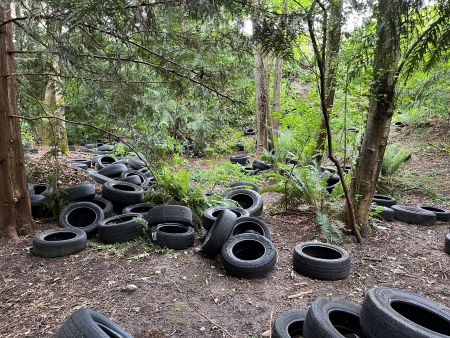
Tires pose environmental, health, and equity challenges across Seattle during their life cycle and when they are disposed of. Tires are commonly dumped, difficult to recycle, and shed 6PPD-Q, a chemical that is toxic to salmon. In 2026, SPU will advocate for legislation to encourage tire manufacturers to use safer chemicals while raising money for stormwater infrastructure and chemical monitoring.
Although these big policy priorities will face an uphill battle in 2026, SPU aims to lay the groundwork for future action on these topics. Follow our progress on these issues by looking out for a blog post after session concludes in early March.
Questions? Please email Maggie Yuse, SPU Senior Policy Advisor and State Legislative Liaison, or call (206) 773-3772